
Ethical Dominance
Welcome to our collection of articles created for Dominants navigating the rich and complex world of BDSM. This is a space for reflection, growth, and mastery, where control is rooted in consent, and leadership is earned through trust. Whether you're refining your dynamic or exploring new ground, you'll find tools, perspectives, and community to support your journey.

A Quiet Authority
The strongest Dominants are rarely the loudest. More often, they are the ones who have learned that authority begins with mastery of themselves.
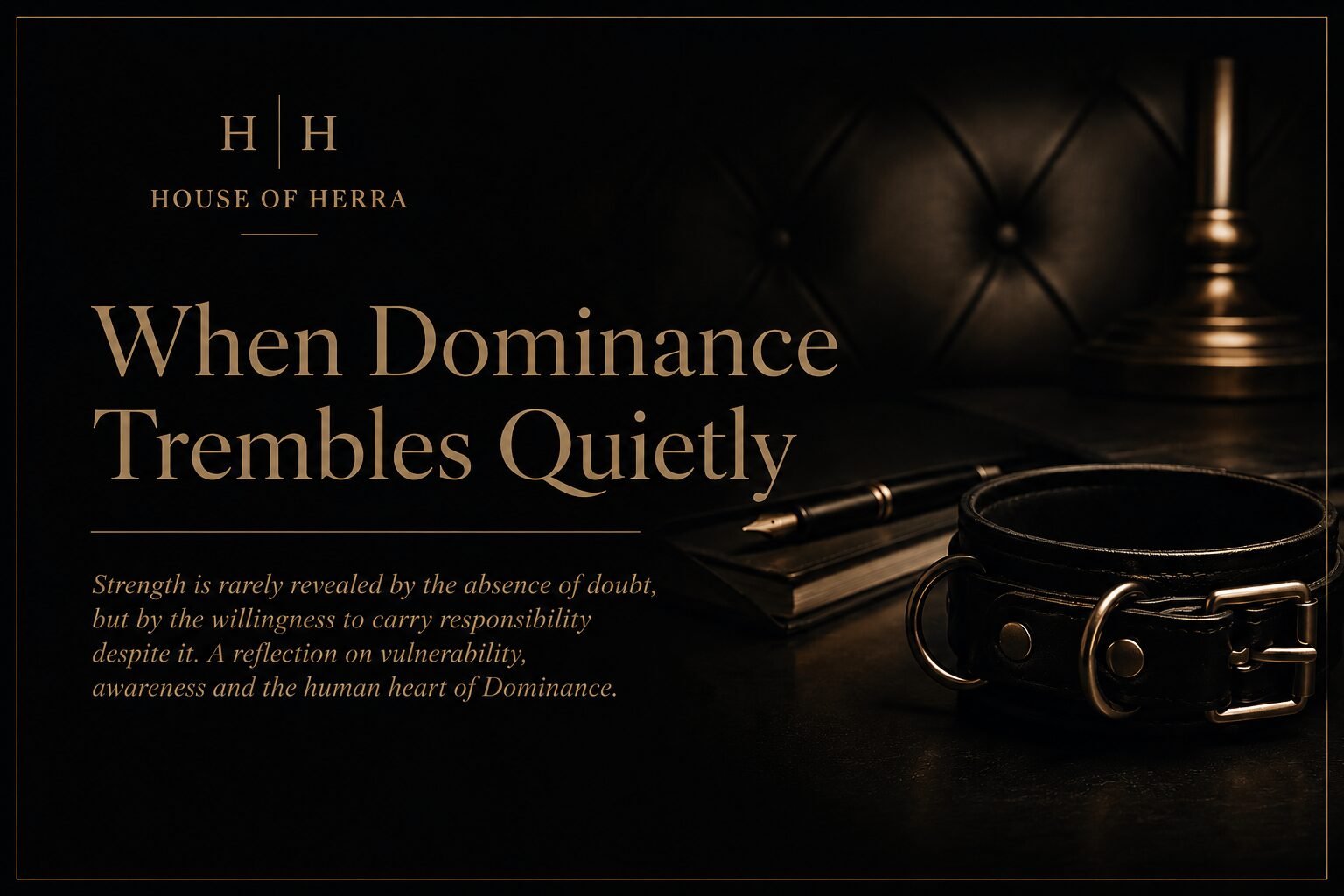
When Dominance Trembles Quietly
Why earned submission asks more of both people than effortless obedience ever could.

The Quiet Work After Power
Why earned submission asks more of both people than effortless obedience ever could.

The Quiet Reward of Leadership
Why the greatest challenge for a Dominant is rarely control—it is learning how to keep wonder alive without losing sight of the person entrusted to them.

The Quiet Burden of Creating the Moment
Why the greatest challenge for a Dominant is rarely control—it is learning how to keep wonder alive without losing sight of the person entrusted to them.

The Weight of the Hand That Leads
There is a moment, somewhere near the beginning of every journey into dominance, when the title feels far larger than the person carrying it.
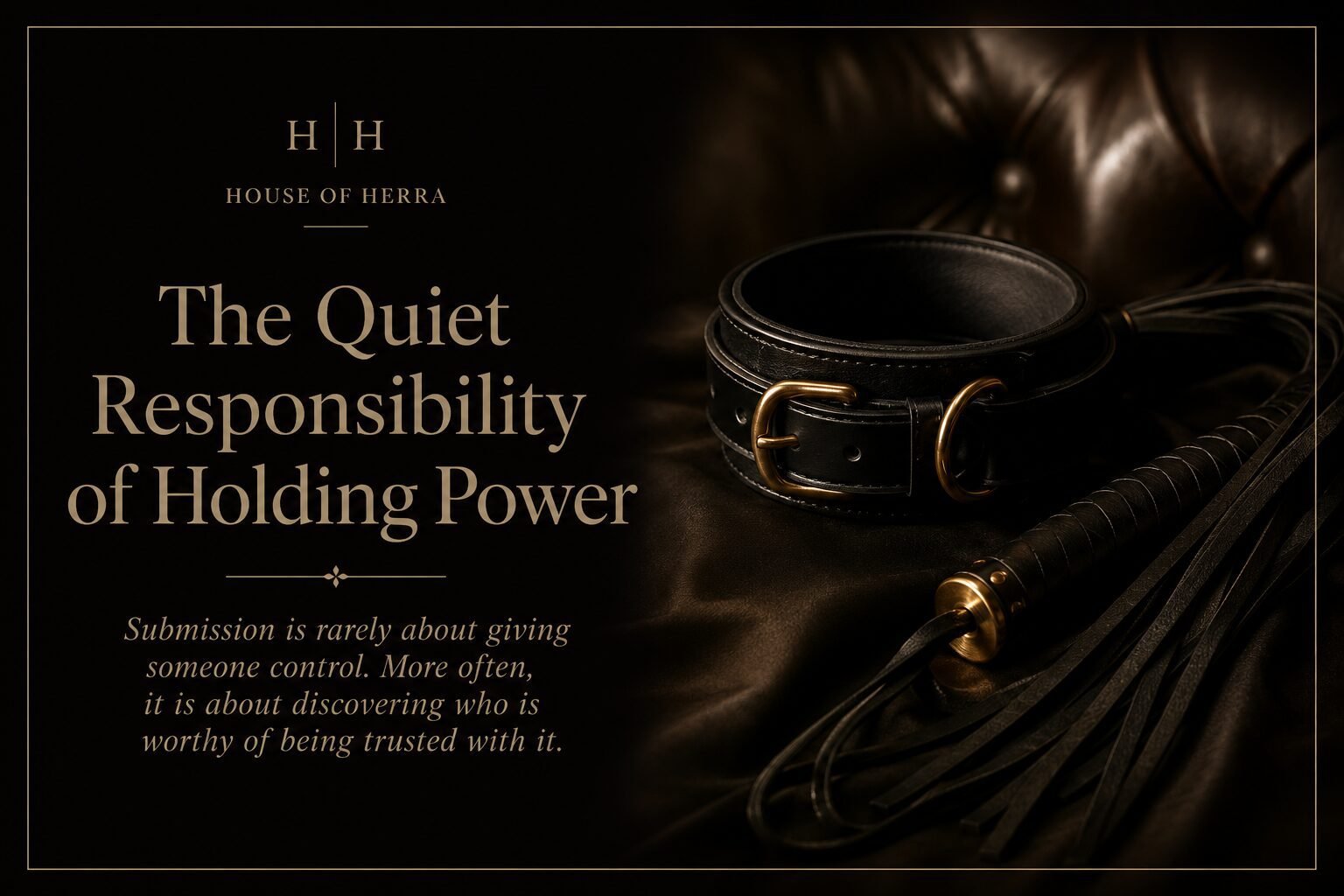
The Quiet Responsibility of Holding Power
There is a moment, somewhere near the beginning of every journey into dominance, when the title feels far larger than the person carrying it.
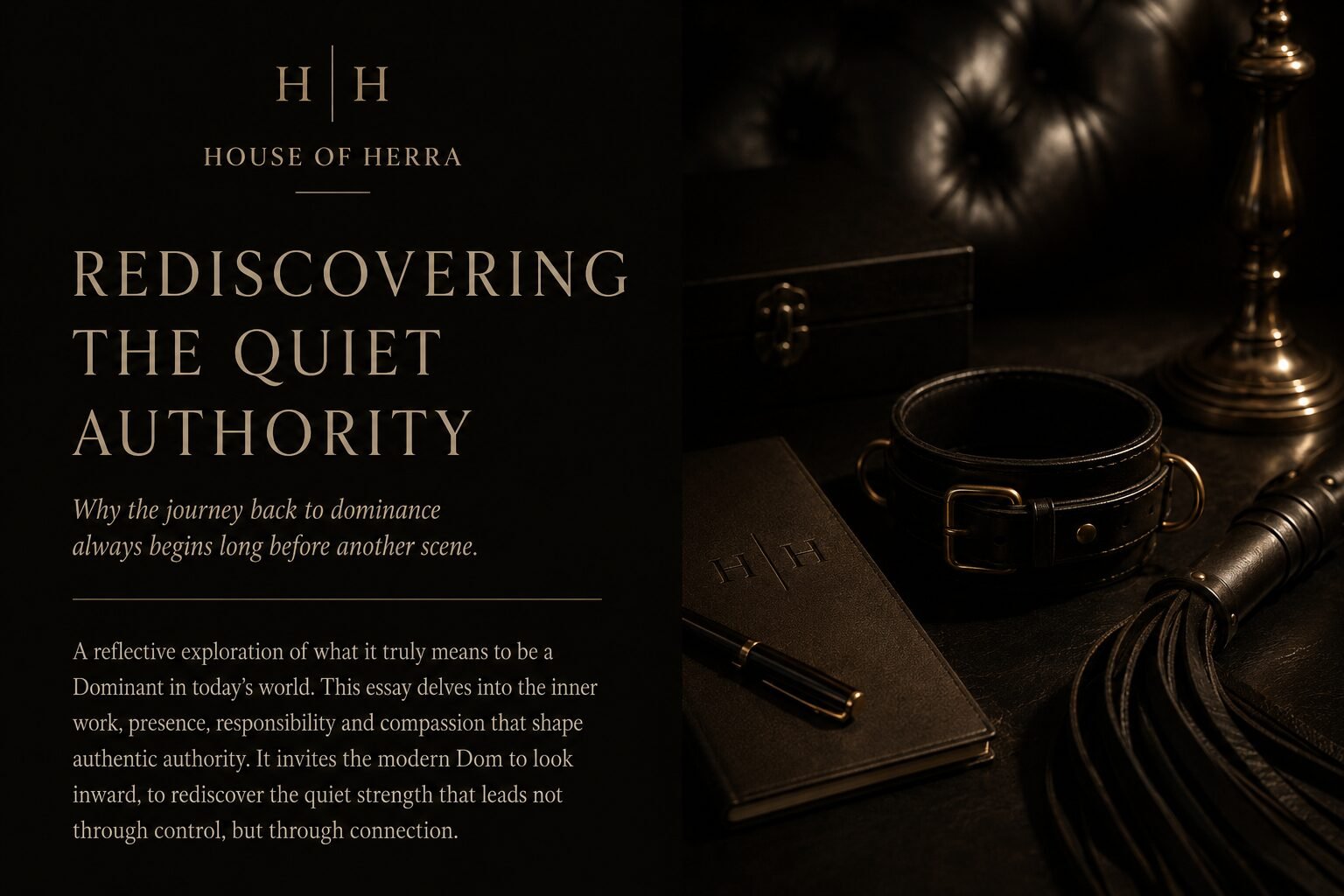
Rediscovering the Quiet Authority
There is a moment, somewhere near the beginning of every journey into dominance, when the title feels far larger than the person carrying it.
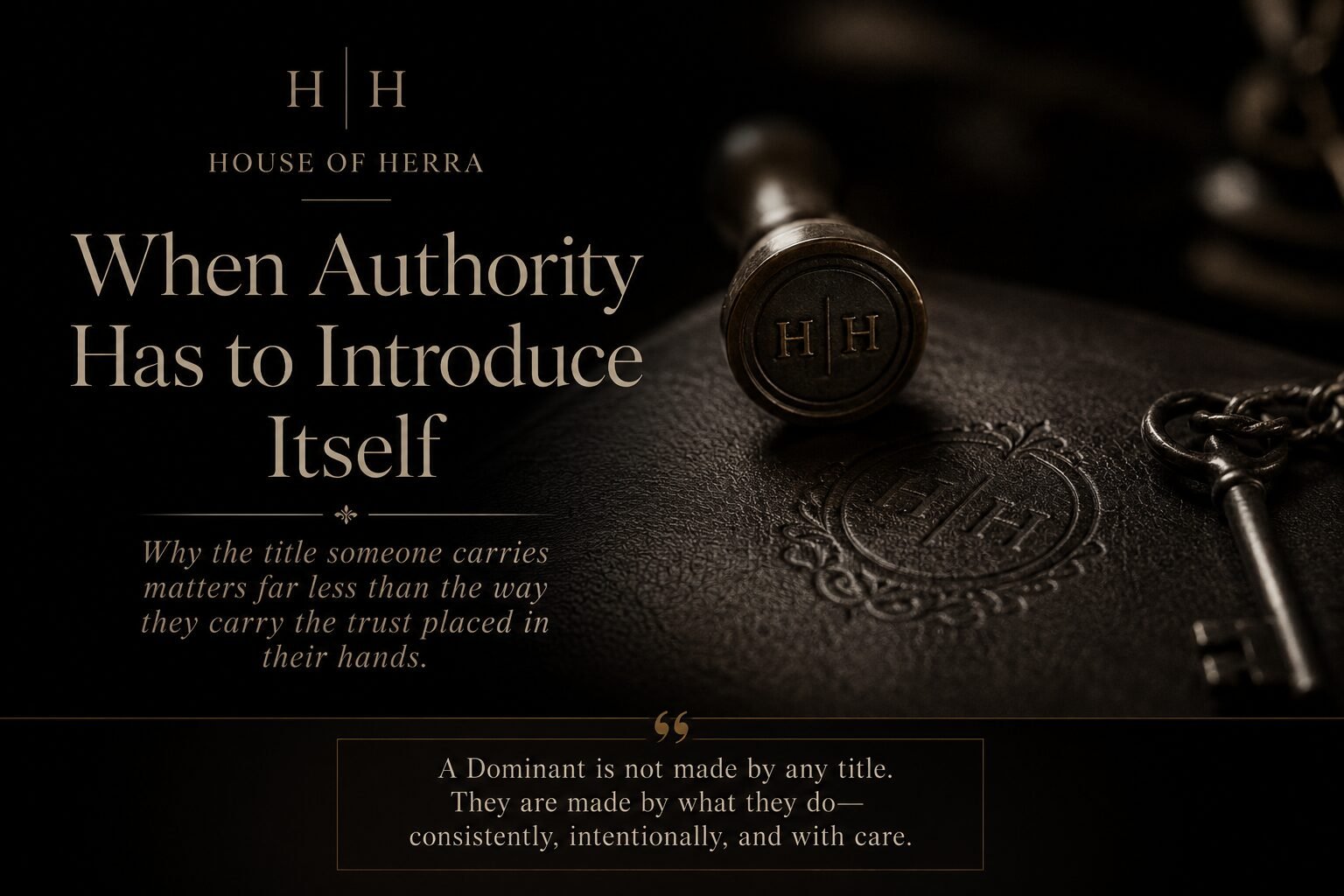
When Authority Has to Introduce Itself
There is a moment, somewhere near the beginning of every journey into dominance, when the title feels far larger than the person carrying it.

Finding the Shape of My Dominance
There is a moment, somewhere near the beginning of every journey into dominance, when the title feels far larger than the person carrying it.

The Peace Inside the Power
There is a moment, somewhere near the beginning of every journey into dominance, when the title feels far larger than the person carrying it.

The Quiet Authority of a Gentleman
There is a moment, somewhere near the beginning of every journey into dominance, when the title feels far larger than the person carrying it.